
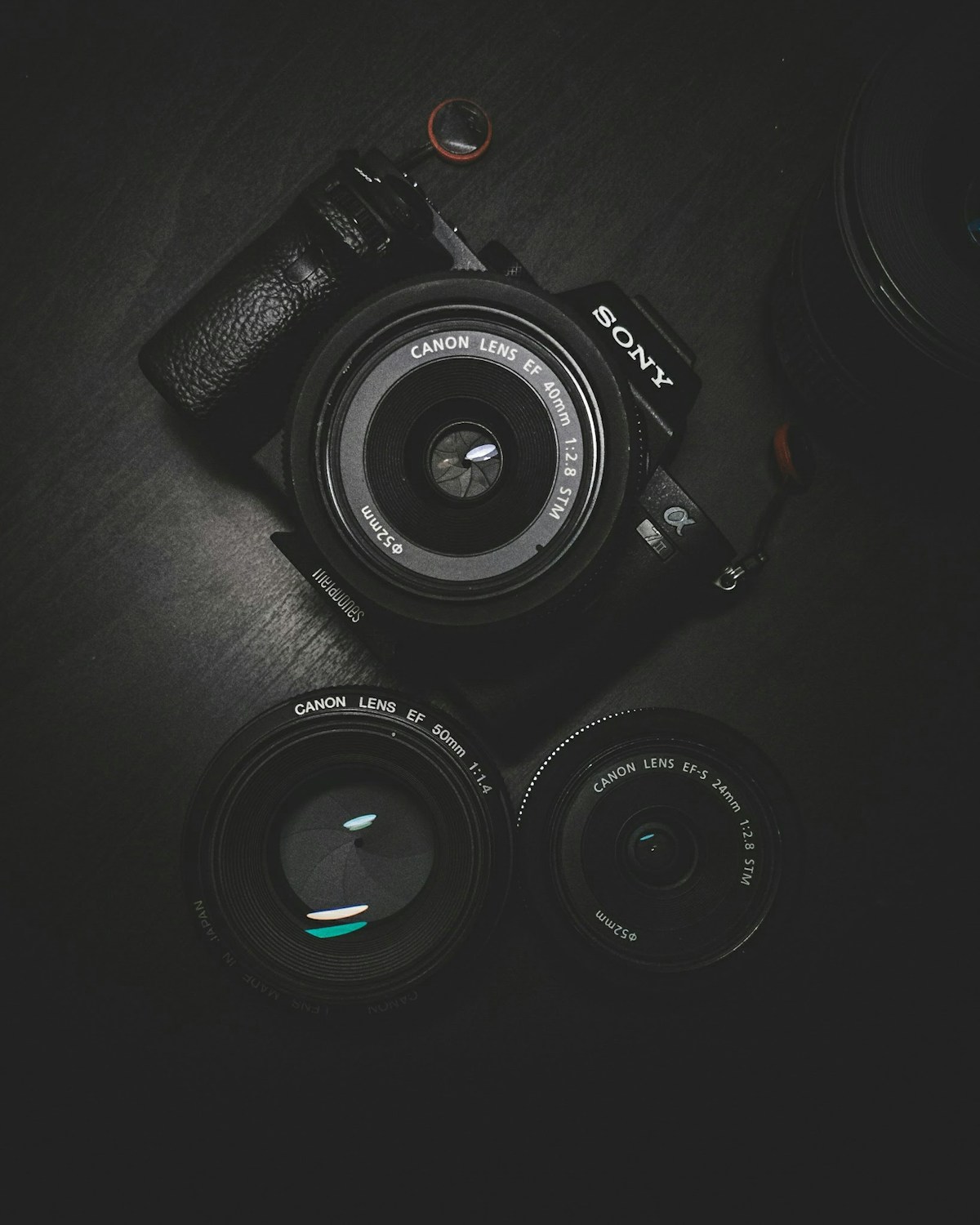
A smartphone can produce a useful property photo in favorable conditions. A professional photographer brings planning, capture technique, editing judgment, and a consistent delivery process. Choose around the demands of the property and the final use of the images.
When a phone may be adequate
A straightforward room with balanced light can be a reasonable starting point for a staging test. Clean the lens, hold the camera level, avoid digital zoom, and keep enough of the room in view to explain its layout. Inspect the full-resolution original rather than judging only the phone screen.
When professional help earns its place
Consider a photographer for difficult window light, reflective interiors, a large property, a tight delivery brief, or multiple views that need consistent color and framing. Discuss the shot list, editing scope, file delivery, and usage rights in advance.
Compare actual samples
- Are vertical lines and room proportions believable?
- Can you see relevant details in bright windows and dark corners?
- Do adjoining rooms have consistent color and exposure?
- Does the gallery cover the spaces buyers need to understand?
- Are edits restrained enough to preserve the property?
Prepare either shoot
Clear movable distractions where practical, turn on appropriate existing lights, and identify features that need an additional angle. Photograph important spaces before staging digitally. A second original is useful for checking what lies behind a removed item or whether a generated layout is plausible.
Do not expect AI to repair every source problem
Upscaling may increase output dimensions, but it cannot prove what a blurred fixture or hidden surface actually looks like. If the source does not contain enough reliable information, reshooting can be more efficient than repeated editing.
Use the dark-room lighting guide for exposure planning and the image review checklist before publishing staged results.